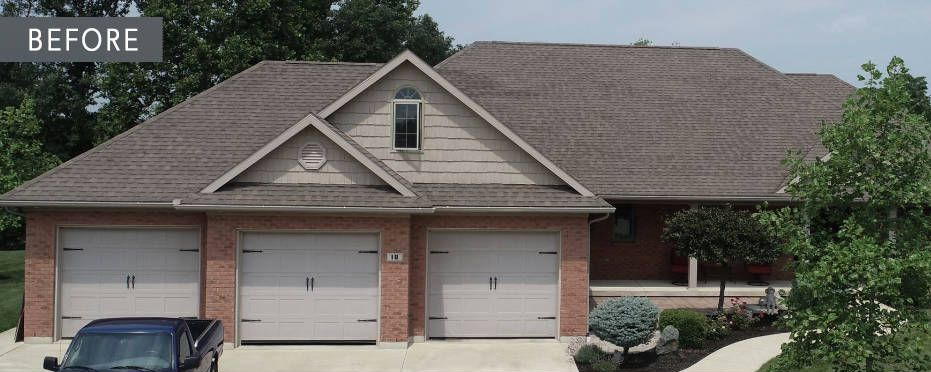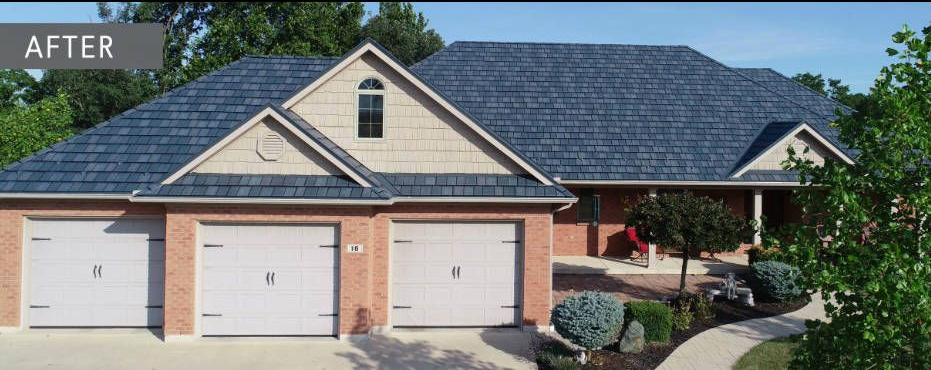
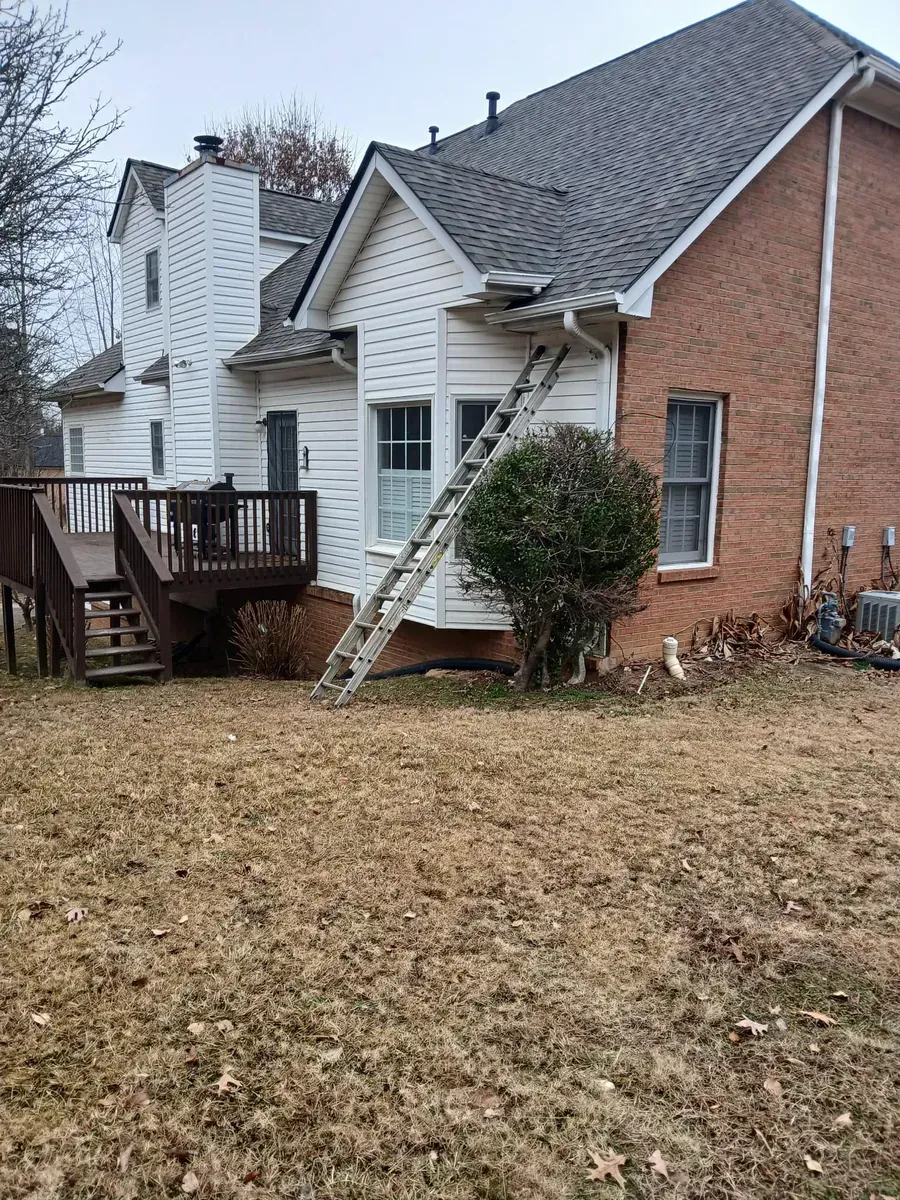
Roof Installation East Point, GA
A new roof should be planned before materials arrive and before nearby trades close off critical details. Beyond The Horizon Roofing & Outdoors installs residential and commercial roof systems in East Point for new construction, additions, garages, porches, accessory buildings, and major exterior renovations. The scope is built around deck readiness, dry-in timing, flashing, ventilation, drainage, material layout, property access, and the heat, humidity, heavy rain, ultraviolet exposure, and storm conditions common across metro Atlanta.
Is Your East Point Project Ready For Roofing?
A roof crew can only move efficiently when the deck, openings, trade sequence, delivery path, and rain plan are settled. These checks expose missing decisions before an unfinished structure or addition is left vulnerable to a fast Georgia downpour.
Confirming A Sound Surface Before Dry-In
The sheathing or approved substrate must be complete, properly supported, reasonably even, dry, and released for the specified assembly. Incomplete porch returns, lifted panel edges, or unresolved wall connections can stop the installation after the crew and materials are already onsite.
- Panels or roof substrate are secured, supported, dry, and free of open or visibly damaged sections
- Eaves, rakes, ridges, valleys, low-slope transitions, and addition tie-ins match the field-built geometry
- Chimneys, walls, skylights, vents, mechanical curbs, and plumbing penetrations are located before underlayment covers the surface
Sequencing Temporary And Permanent Water Control
East Point projects can move from bright sun to hard rain quickly. The underlayment, valley treatment, edge protection, low-slope details, and temporary dry-in plan should be established before any section is left exposed at the end of the day.
- The selected secondary water barrier fits the pitch, roof covering, deck, and exposure of the project
- Valleys, dead-end channels, porch transitions, and roof-to-wall areas have a defined runoff path
- Openings are ready to receive compatible flashing and sealing as the surrounding roof layers are installed
Planning Ventilation Around The Real Attic Layout
A clean exterior does not correct an attic that traps heat and moisture. Intake, exhaust, insulation clearance, vaulted sections, and disconnected roof cavities need to be evaluated together before the roof and interior finishes limit access.
- Soffit intake or another low-air source remains open instead of being blocked by framing or insulation
- Ridge or alternate exhaust placement follows the actual attic compartments and roof framing
- Additions and isolated attic pockets receive their own workable airflow path instead of depending on the original house
Fitting Materials And Crew Movement Onto The Lot
Many East Point properties have compact drives, fenced yards, established landscaping, overhead branches, or limited side access. Delivery, ladder positions, parking, debris control, and safe movement around residents or other contractors must be mapped before the start date.
- An unloading and staging area is reserved without blocking residents, neighboring access, or active construction
- Windows, siding, masonry, porches, pavement, landscaping, and nearby vehicles are included in the protection plan
- The owner, facility contact, builder, and roof crew share the same access rules, work hours, and daily closeout expectations
Who Installs New Roof Systems In East Point, GA?
Beyond The Horizon Roofing & Outdoors installs complete roof assemblies for East Point homeowners, commercial property owners, facility managers, builders, and renovation teams. Typical projects include new houses, additions, detached structures, porch enclosures, reconstructed roof sections, and commercial improvements that create new roof areas.
Before materials are released, the team reviews field dimensions, deck or substrate conditions, roof openings, drainage, ventilation, wall connections, site access, and the construction schedule. That review keeps the installation tied to the structure that was actually built instead of relying on assumptions from an earlier plan.
A New Roof Must Fit The Building And The Lot
East Point includes historic in-town homes, tree-lined bungalow blocks, brick ranch properties, commercial corridors, additions, and newer infill construction. Some installations begin on open framing, while others must connect a new roof plane to aged brick, siding, chimneys, existing gutters, or an occupied structure.
Beyond The Horizon treats the roof as part of the full exterior. Decking, underlayment, perimeter metal, field materials, flashing, ventilation, ridge or edge finishing, gutters, and downspout paths are coordinated so water moves away from walls, entrances, neighboring property lines, and foundation edges.
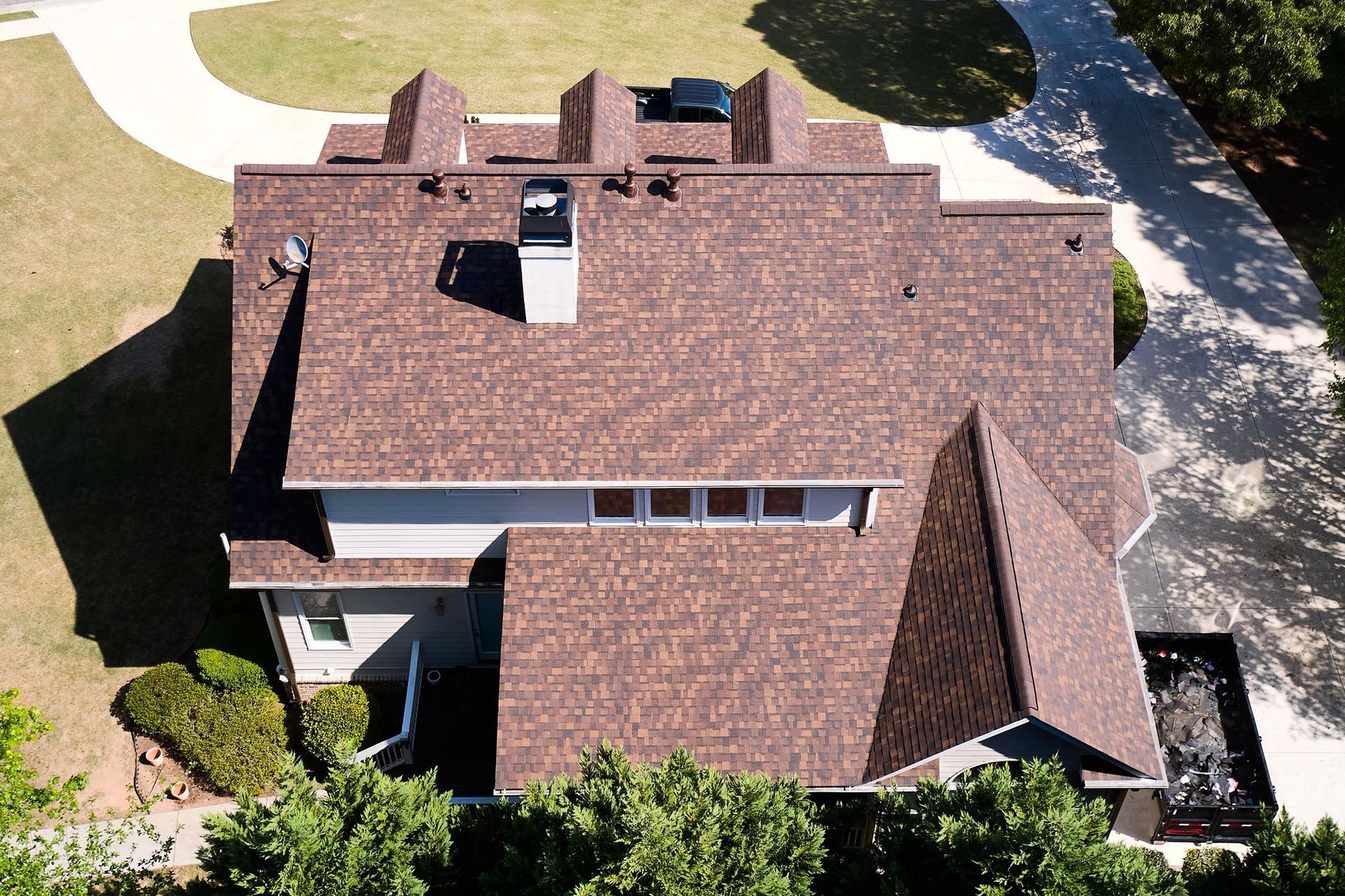
A Complete Roof Installation Scope For East Point Projects
Drawings identify the general roof, but dependable performance comes from field details. The installation scope should account for the hidden layers, transitions, openings, and drainage decisions that are expensive to reopen after the finished covering is in place.
Field Verification And Plan Review
The team compares drawings, measurements, built roof geometry, openings, and lot constraints before confirming the installation sequence.
Deck Or Substrate Readiness
Exposed surfaces are checked for support, moisture, damage, uneven transitions, attachment, and compatibility with the specified roof system.
Secondary Water Protection
Underlayment, valley treatment, edge details, starter components, and transition protection are installed to control water beneath the finished surface.
Flashing At Walls And Openings
Chimneys, sidewalls, headwalls, plumbing pipes, vents, skylights, curbs, and roof crossings receive details matched to their position and runoff exposure.
Ventilation And Drainage Coordination
Attic airflow, eaves, gutters, scuppers where applicable, and discharge points are reviewed as connected parts of the building envelope.
Final Review And Site Cleanup
Visible workmanship, remaining materials, fastener control, property cleanup, and unresolved adjacent-trade items are checked before closeout.
Six Decisions That Prevent East Point Roof Delays
Most avoidable installation problems begin with a small unanswered question. Resolving these items before bundles, rolls, metal, and accessories reach a compact East Point site reduces rework and keeps other trades from covering critical connections.
Actual Roof Geometry
Dormers, porch roofs, crickets, valleys, low-slope areas, and addition tie-ins must follow the field-built structure rather than an outdated drawing.
Roof Covering And Accessories
Material profile, color, edge components, ventilation pieces, flashing metals, and compatible accessories need to be selected before ordering.
Penetration Locations
Plumbing stacks, exhaust vents, flues, skylights, mechanical curbs, and future equipment should be located before completed layers are cut open.
Eave And Runoff Direction
Fascia dimensions, drip edge, gutters, downspouts, porch drainage, and discharge areas must align along each roof edge.
Attic Compartment Airflow
Closed soffits, vaulted rooms, fire separations, and addition cavities can interrupt intake and exhaust even when the roof looks simple outside.
Trade And Inspection Sequence
Roofing, brick, siding, paint, windows, mechanical work, and required inspections need a shared order so flashing remains accessible.
Define The Starting Condition Before Pricing The Work
A first-time installation and a replacement can use similar materials, but they do not begin at the same point. Beyond The Horizon identifies whether the crew is receiving prepared construction or removing an existing system so demolition, weather protection, repairs, and responsibilities are clear.
First-Time Installation Is Usually The Right Scope When
- New construction has completed framing and a released deck or substrate ready for dry-in
- An addition creates new slopes, valleys, walls, or roof edges that must connect to the original building
- A garage, pavilion, workshop, porch, or accessory building is receiving its first complete roof assembly
- A major renovation reconstructs roof framing and removes the prior assembly down to newly prepared sheathing
- The roof must be coordinated with siding, masonry, windows, drainage, mechanical work, and construction inspections
Replacement Requires A Different Work Plan When
- Existing roof materials and accessories must be removed before hidden deck conditions can be evaluated
- Residents or tenants remain onsite while demolition, debris removal, and daily weather protection are controlled
- Rot, soft decking, old repairs, or concealed moisture may change the scope after tear-off begins
- Storm damage documentation or an existing claim affects how the roof is inspected and recorded
- The objective is to renew a worn or damaged system rather than roof newly completed construction
Installation Details That Protect An East Point Building
The roof works only when each layer overlaps, drains, and connects correctly. These components control wind exposure, concentrated rainfall, perimeter water, penetrations, attic heat, and the transition from the roof to the rest of the exterior.
Field Covering, Starters, And Ridge Details
Starter components, field layout, fastening, hips, ridges, seams, or edge finishing are completed as one continuous weather-shedding surface.
Deck, Underlayment, And Valley Protection
The prepared surface and secondary barrier are reinforced where water gathers, changes direction, or approaches lower-slope transitions.
Walls, Chimneys, Curbs, And Penetrations
Step flashing, counterflashing, boots, vents, skylight components, and curbs are installed before adjacent finishes restrict access.
Airflow, Eaves, Gutters, And Discharge
Intake, exhaust, perimeter metal, fascia, gutters, and downspouts are coordinated to manage heat and move runoff away from the building.
A Defined Sequence From Site Review To Closeout
Homeowners, property managers, and builders should know what must be ready, what the roof crew controls, and which trade follows next. A written sequence keeps a small site organized and limits last-minute decisions above occupied or finished areas.
Define The Work And Interfaces
The team reviews plans, field dimensions, building use, roof transitions, material goals, access, and coordination needs with the project contact.
Verify Readiness And Weather
Decking, framing, planned openings, fascia, wall conditions, ventilation paths, delivery timing, and forecast risk are checked before scheduling.
Stage Materials And Protect Surfaces
Ladders, products, tools, and debris controls are positioned around vehicles, neighbors, landscaping, windows, porches, and finished exterior work.
Install The Complete Assembly
Secondary protection, roof covering, flashing, ventilation, perimeter details, transitions, and ridge or edge finishing are completed in sequence.
Inspect, Clean, And Document
Accessible workmanship is reviewed, the work area is cleaned, project information is explained, and remaining adjacent-trade responsibilities are identified.
Roofing Across Historic Blocks, Ranch Homes, And Infill Sites
East Point roof work can involve older bungalows and cottages near the historic core, brick ranch homes on larger residential streets, commercial properties, occupied additions, and newer infill construction. Existing masonry, aged trim, uneven framing, previous patches, or mature landscaping may sit directly beside the new work.
Access also changes quickly from one address to the next. A property near Main Street, Cleveland Avenue, Camp Creek Parkway, or an airport traffic route may have different delivery and parking limits than a quieter interior block. The roof plan should account for those constraints before a supplier or crew reaches the site.
- Addition tie-ins should send water away from existing walls, window heads, porch intersections, and short valley outlets
- Mature street trees can affect branch clearance, ladder placement, shaded drying, and future leaf buildup at roof transitions
- Close neighboring homes and narrow side yards make debris containment and controlled material movement especially important
- High summer humidity increases the value of an uninterrupted intake-and-exhaust path before insulation closes access
- Short, intense rain requires a practical dry-in sequence and an end-of-day plan for unfinished roof areas
Local Conditions That Change The Roof Plan
The drawing is only one part of the installation. Heat, rain, shade, lot size, building age, delivery access, and the way a new roof meets existing construction all influence how the work should be detailed and scheduled.
Heat And UV Exposure
Long summer sun can increase surface and attic temperatures, so material selection and ventilation should be considered together rather than as separate decisions.
Fast Heavy Rain
Valleys, lower roof sections, porch tie-ins, and perimeter details need a clear drainage path before afternoon rainfall tests unfinished work.
Wind At Roof Edges
Starter placement, fastening, edge metal, corners, and ridge or perimeter finishing help secure the areas wind reaches first.
Compact Lot Drainage
Downspouts and concentrated runoff should not discharge onto entrances, neighboring lots, walkways, or foundation edges with little room to absorb water.
Tree Shade And Debris
Overhanging limbs, shaded slopes, leaves, and seed pods influence drying, ladder access, valley maintenance, and gutter planning.
Older Exterior Connections
Brick, siding, chimneys, porch roofs, and prior additions may require field-specific flashing instead of a standard detail copied from new construction.
Deck Flatness And Support
High panel joints, soft sections, uneven framing, or unsupported edges should be corrected before underlayment hides the condition.
Street And Delivery Access
Short drives, parked vehicles, traffic, overhead branches, and limited storage can change how products are delivered and staged.
A Tight East Point Site Needs A Deliberate Work Zone
Roof installation may occur while residents remain home, nearby properties sit only a few feet away, and siding, masonry, windows, porches, or landscaping are already finished. Tools, bundles, ladders, packaging, and loose fasteners must stay inside a clearly managed work area.
Beyond The Horizon coordinates delivery, crew movement, temporary dry-in, daily cleanup, and final review with the owner, facility contact, or builder. That keeps the roof work from blocking access, damaging finished surfaces, or creating avoidable conflict with neighbors and other trades.
- Delivery and staging locations are confirmed before the supplier arrives on the street
- Protection covers windows, siding, brick, porches, driveways, landscaping, neighboring edges, and parked vehicles where needed
- Nails, cutoffs, straps, wrappers, and packaging are gathered throughout the day instead of waiting until final cleanup
- Weather or trade delays are addressed before they leave unfinished areas open or eliminate safe ladder access
- Closeout is coordinated with gutters, wall finishes, inspections, occupant access, and the final property walkthrough
Work With A Contractor Who Reviews The Whole Exterior
Beyond The Horizon Roofing & Outdoors handles residential and commercial roofing, installation, replacement, storm damage repair, and outdoor living work. That broader exterior perspective matters when a new roof must connect with walls, trim, gutters, drainage, occupied spaces, or a planned outdoor addition instead of ending at the last row of material.
How The Installation Is Planned
- Field verification of dimensions, pitches, transitions, openings, roof edges, and visible deck or substrate readiness
- Direct review of materials, compatible accessories, ventilation, flashing, drainage, and appearance decisions
- Scheduling aligned with the owner, facility manager, builder, or renovation contractor before materials are released
- Georgia weather exposure considered when planning dry-in, runoff, heat movement, perimeter details, and work sequencing
- Clear separation between first-time installation, tear-off, existing-roof repair, and adjacent exterior work
What The Project Contact Should Expect
- Practical guidance on access, structural readiness, trade coordination, roof openings, and property preparation
- A defined installation scope instead of critical field decisions being left unanswered for the crew
- Protection planning for occupants, neighbors, landscaping, driveways, finished walls, and active construction
- System details evaluated against East Point heat, humidity, storm rain, tree cover, and compact-site drainage
- Direct scheduling access at (678) 972-6314 for East Point roof installation questions
Helpful Pages For An East Point Roof Project
Use the approved Beyond The Horizon website destination to review the company, roofing and exterior capabilities, and the next step for discussing an East Point installation.
Start With The Company
Review Service Capabilities
Roof Installation East Point, GA FAQs
These answers cover the questions homeowners, commercial owners, facility managers, builders, and remodelers commonly need resolved before a new roof system is ordered and scheduled.
What types of East Point projects need first-time roof installation?
New homes, additions, detached garages, workshops, porches, accessory buildings, reconstructed roof areas, and commercial improvements may all require a complete assembly installed over newly prepared construction.
What should be finished before the roofing crew arrives?
Framing, decking or the approved substrate, key wall connections, roof openings, fascia decisions, access routes, and the trade schedule should be far enough along for the roof to be installed without guessing at missing details.
How are sudden Georgia rainstorms handled during installation?
The crew plans the dry-in sequence, secondary water protection, opening details, and end-of-day coverage around the forecast and the amount of roof that can be made weather-resistant before conditions change.
Can a new addition roof connect to an older East Point home?
Yes, but the connection should be evaluated in the field. Pitch, valley direction, wall flashing, existing material condition, drainage, attic layout, and the age of the original roof all affect the tie-in.
Does a new roof need ventilation planning?
Ventilation should be reviewed whenever the roof encloses an attic or roof cavity. Intake, exhaust, insulation clearance, vaulted sections, and disconnected spaces determine whether heat and moisture have a workable path out.
What factors affect the scope and cost of roof installation?
Roof size, pitch, height, complexity, material system, deck condition, flashing, penetrations, ventilation, drainage, access, staging, and coordination with other trades all influence the final scope.
Can installation be coordinated on an occupied property?
Yes. The work plan should account for resident or tenant access, parking, noise, pets, deliveries, daily cleanup, and temporary weather protection before the crew starts.
Does Beyond The Horizon install both residential and commercial roofs?
The company supports residential and commercial roofing work. The correct installation approach depends on the building, roof geometry, substrate, drainage, specified materials, access, and current scheduling availability.
Planning A Roof Installation In East Point, GA?
Call Beyond The Horizon Roofing & Outdoors while framing, roof openings, material decisions, exterior connections, access, and the construction schedule can still be coordinated. The team will review readiness, define the installation scope, and help move the East Point property toward a dry, finished roof without leaving critical decisions for the day materials arrive.