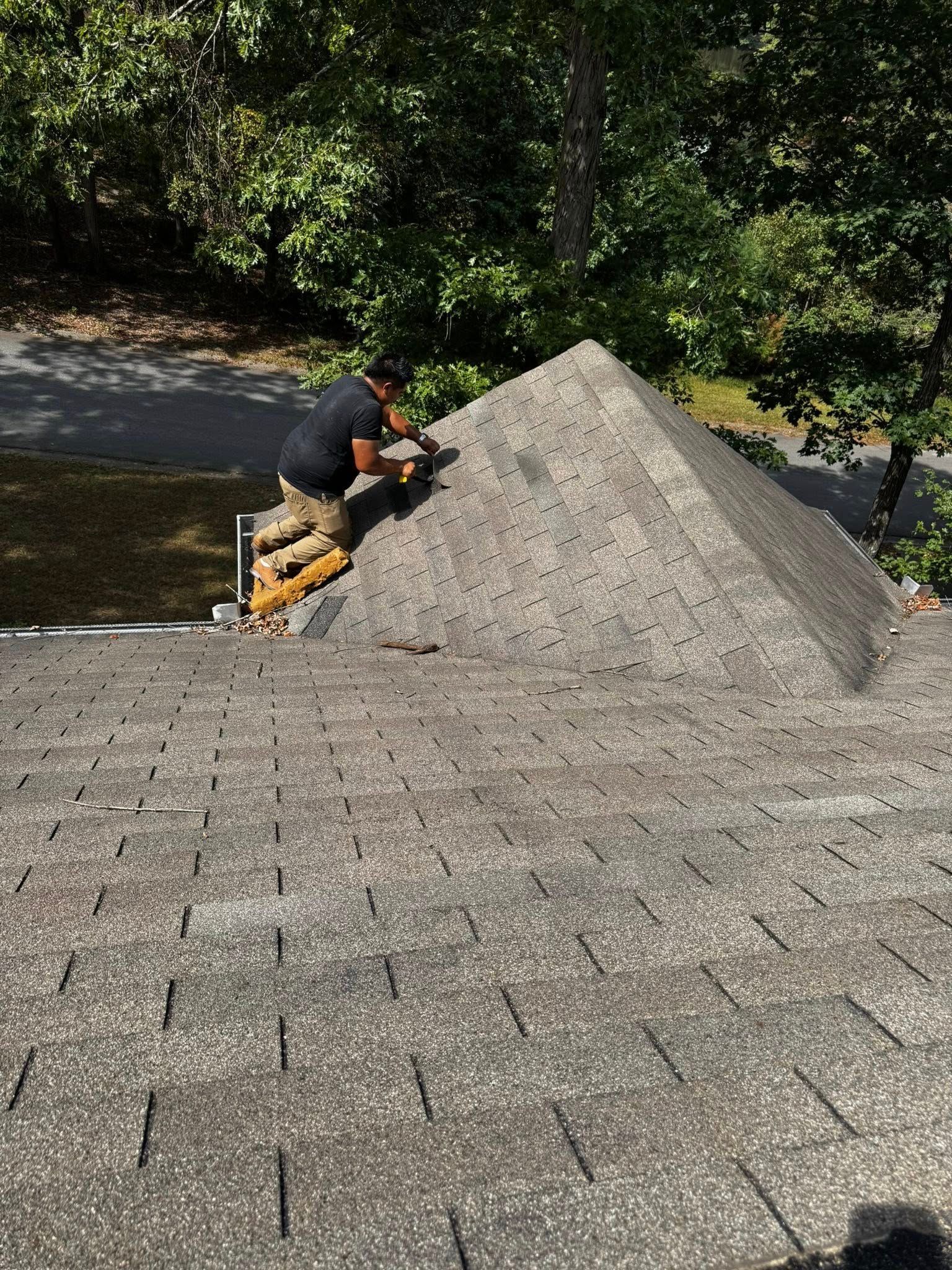
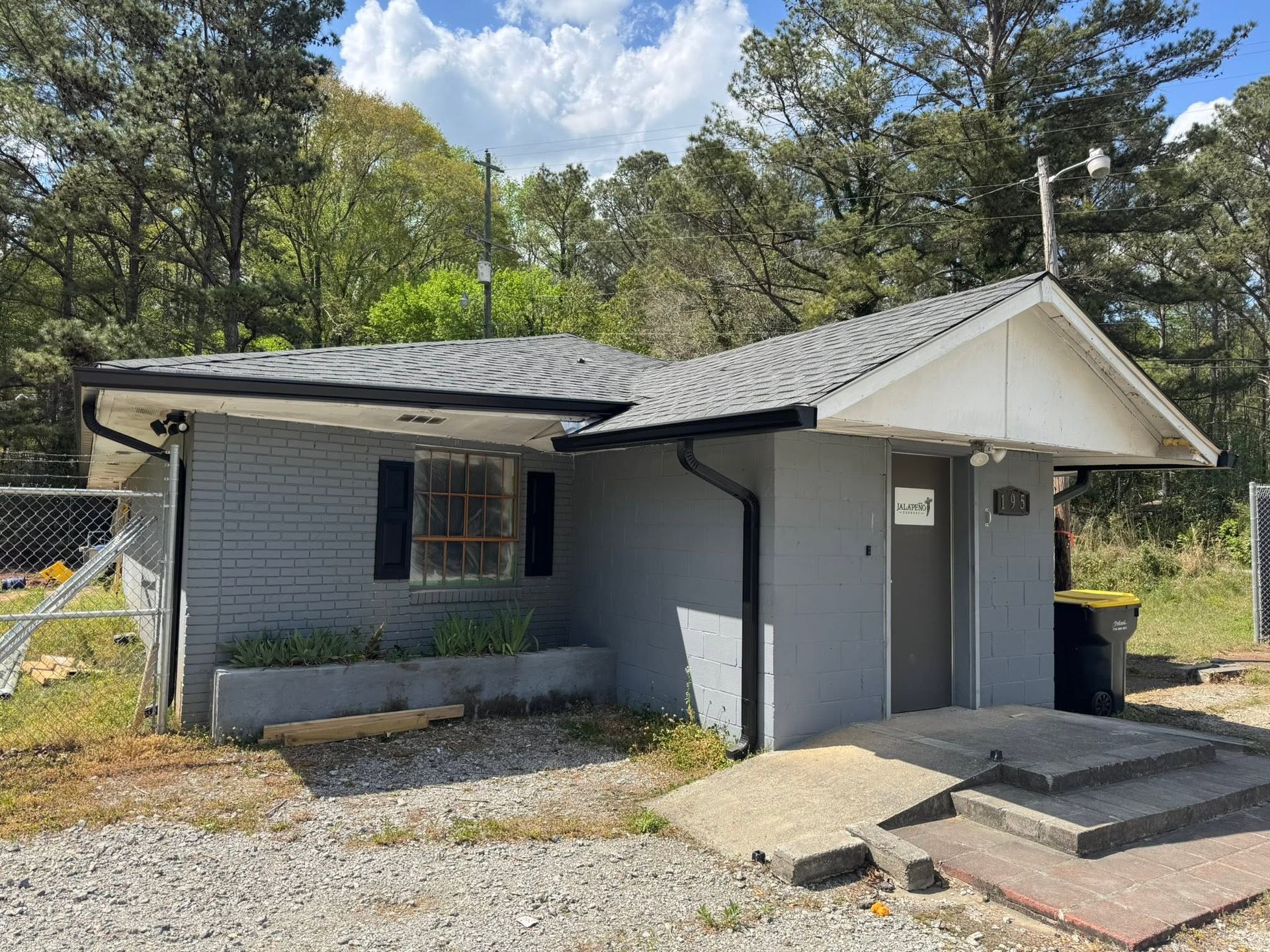
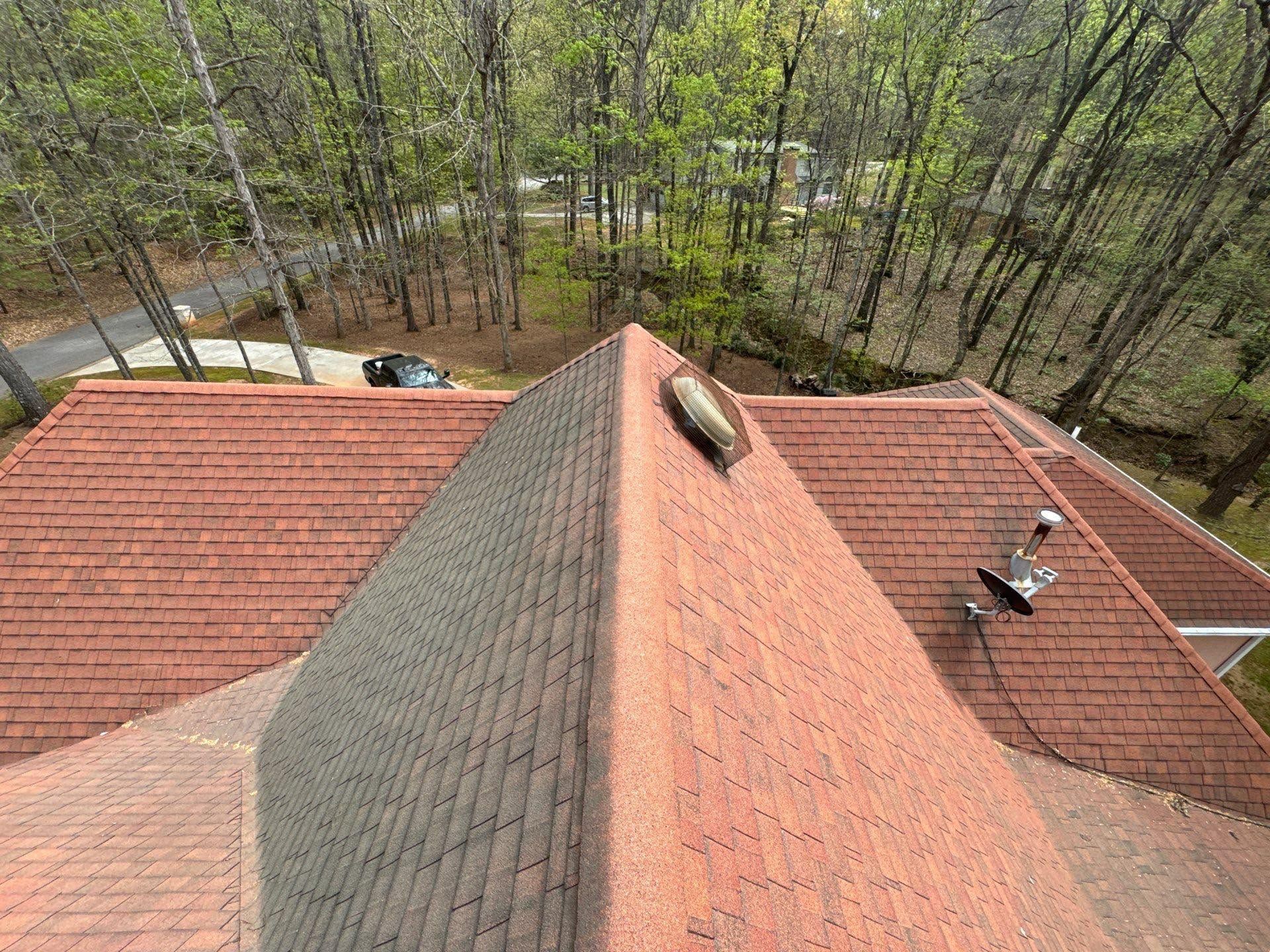
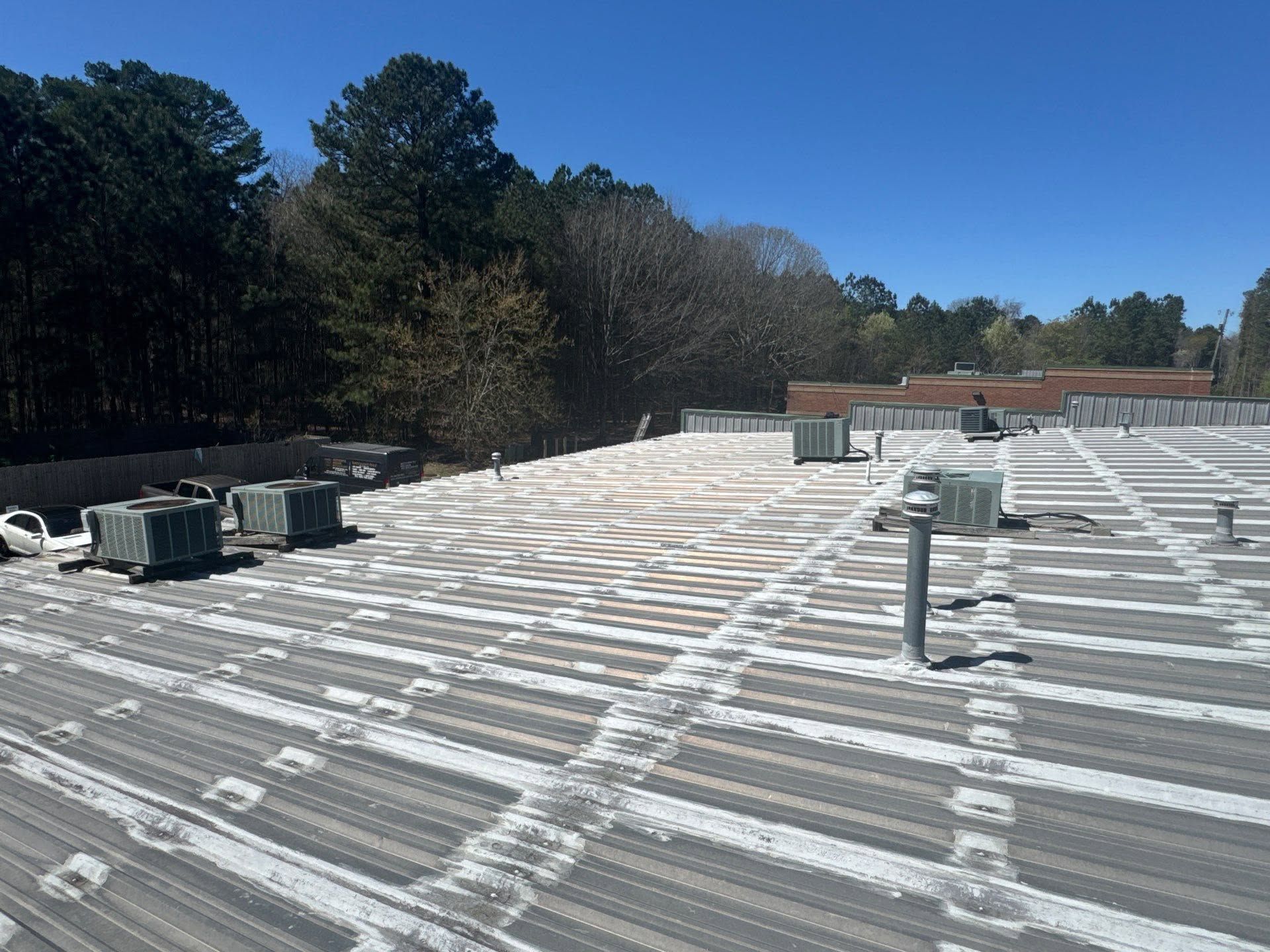
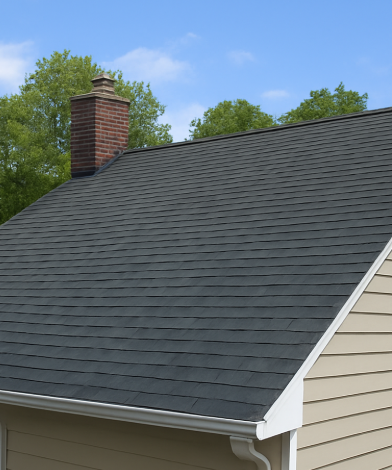
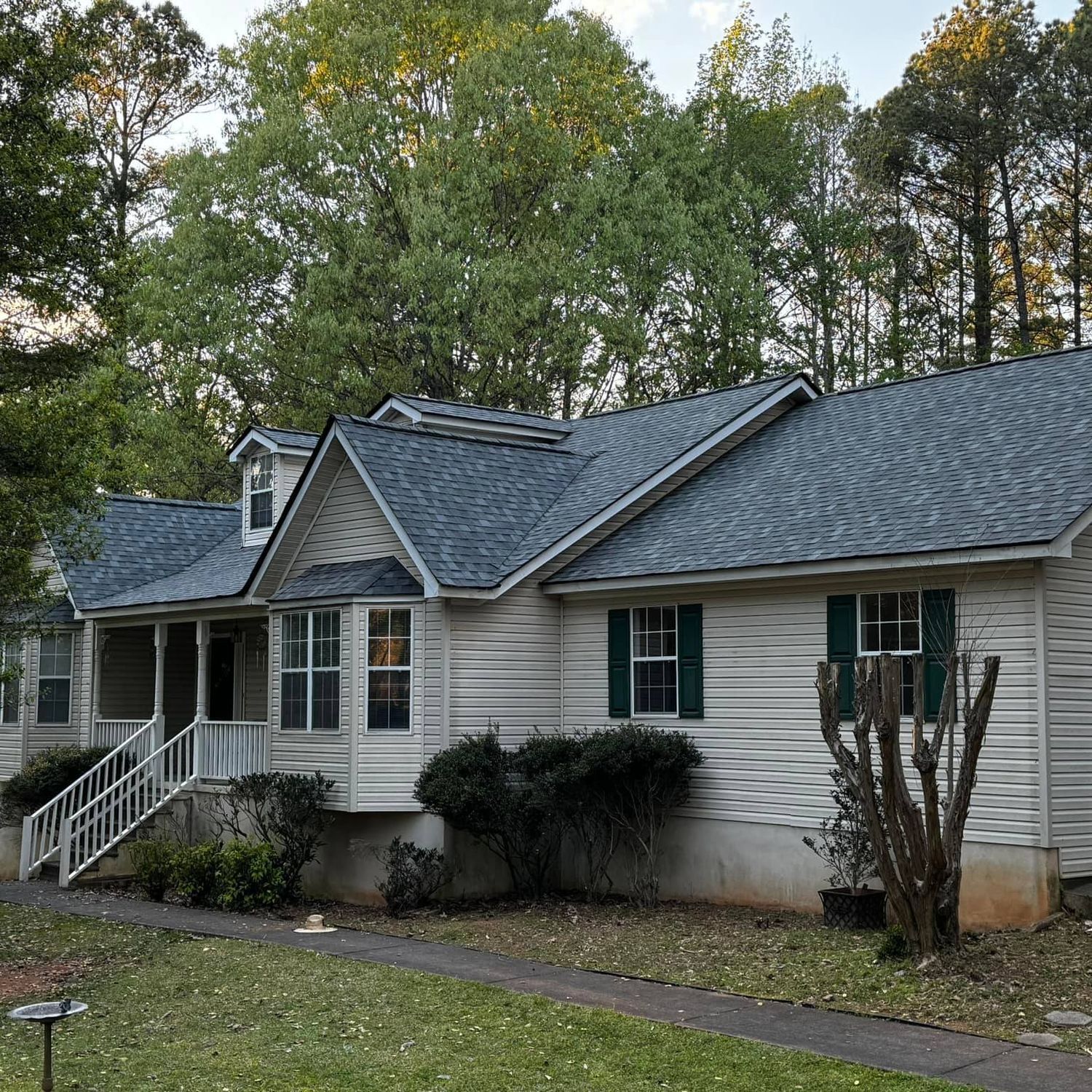
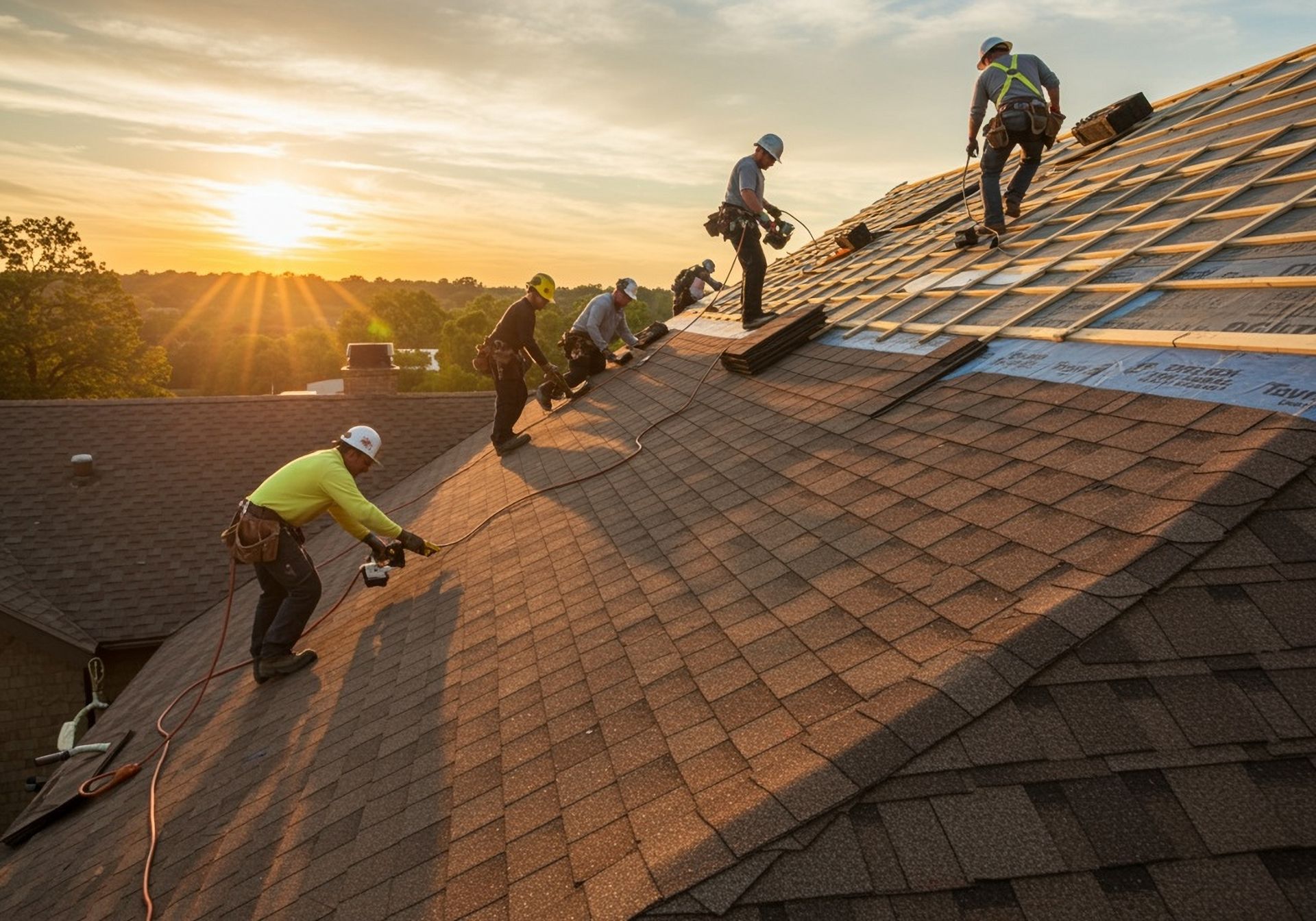
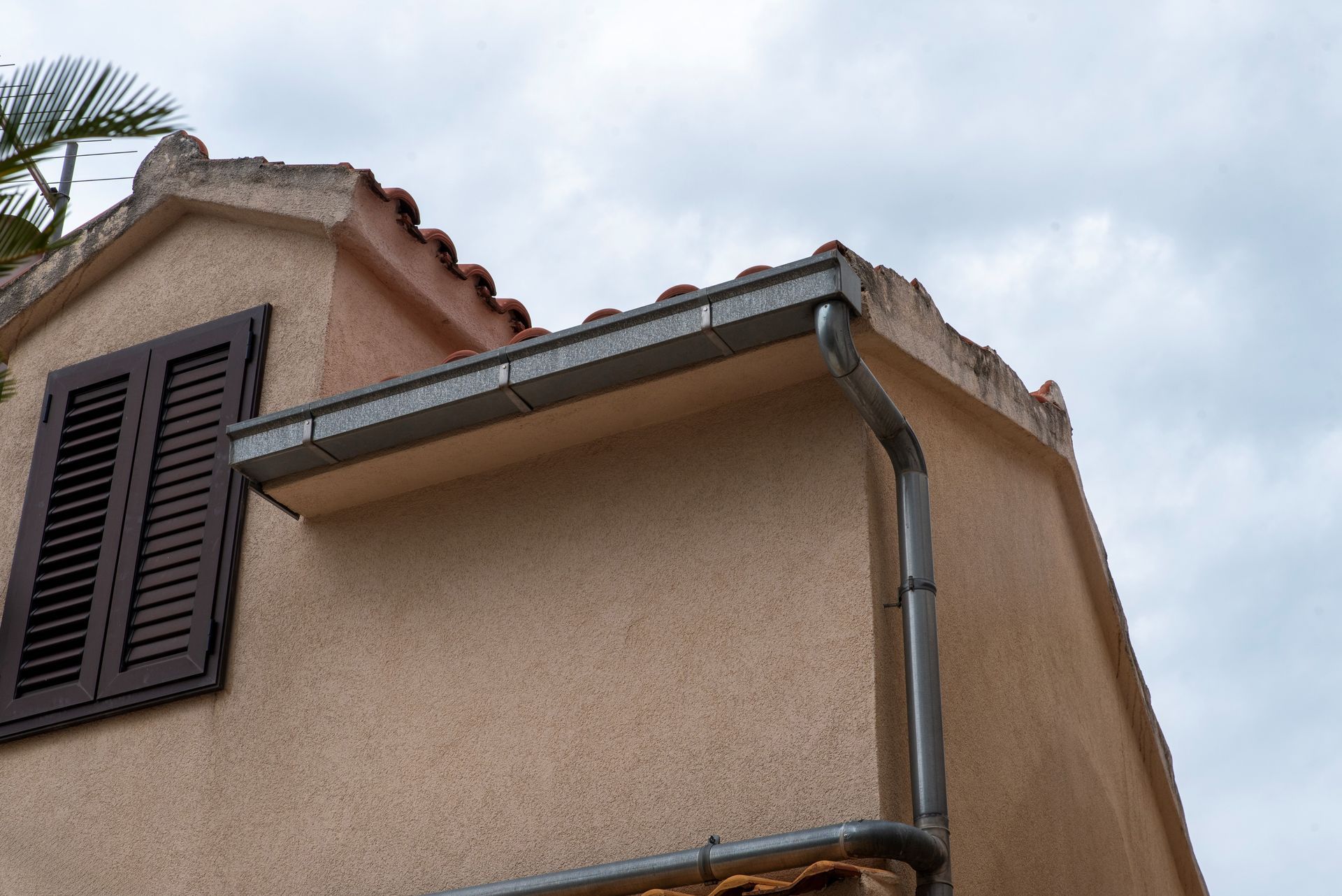
For many homeowners in Fayetteville, GA, the roof is the most overlooked yet critical component of the entire house. It stands as the primary shield against Georgia’s unpredictable weather: from the scorching humidity of July to the sudden, violent thunderstorms that roll through Fayette County in the spring. When that shield begins to fail, whether through age or storm damage, the pressure to find a replacement professional can be overwhelming.
Choosing a residential roofing contractor isn’t just about finding the lowest bid; it’s about finding a partner who understands the specific architectural styles and environmental demands of our local community. A roof that works for a coastal home in Savannah may not be the ideal configuration for a shaded, ranch-style home in a Fayetteville subdivision. This guide is designed to help you navigate the vetting process, ensure you are protected legally and financially, and ultimately select a craftsman who adds long-term value to your property.
Understanding the Local Landscape: Why "Local" Matters
The term "local contractor" is often used as a marketing buzzword, but in the roofing industry, it has tangible implications for your warranty and roof longevity. A contractor based in North Georgia understands the specific impact of our climate. We deal with high UV exposure and significant moisture, which can lead to rapid algae growth (those black streaks you see on older roofs) and shingle degradation.
Furthermore, a contractor familiar with Fayetteville knows the specific building codes and permit requirements of Fayette County. They likely have a portfolio of work in neighborhoods like Whitewater Creek or Highgrove, meaning they are familiar with the specific HOA requirements that often dictate shingle color and material type. Using a "storm chaser" or an out-of-state company often results in a "one-size-fits-all" approach that ignores these vital local nuances.
The Essential Vetting Checklist
Before a contractor ever climbs onto your roof for an inspection, they should pass a preliminary screening. In an industry where the barrier to entry is relatively low, these three pillars of professionalism separate the experts from the amateurs:
- Licensing and Registration: Ensure the contractor holds a valid Georgia state license. While Georgia’s requirements have evolved, a reputable pro will have no issue providing their credentials.
- Comprehensive Insurance: This is non-negotiable. You must verify both General Liability insurance to protect your property and Workers’ Compensation to protect the crew. Without Workers' Comp, a homeowner could potentially be held liable for injuries occurring on their property.
- Local References: Ask for addresses of completed projects within the last 12 to 24 months specifically in the Fayetteville area. A quick drive-by of these properties can tell you more about their workmanship than a polished website gallery ever could.
Evaluating Materials: Beyond the Basic Shingle
A quality contractor won't just try to sell you the most expensive product; they will explain why certain materials suit your home's pitch and orientation. In our region, architectural asphalt shingles are the standard for their balance of cost and durability. However, the type of shingle matters.
For example, many homeowners in 2026 are now opting for shingles with high-reflectivity ratings to combat the Georgia heat, which can significantly lower attic temperatures and cooling costs. Others prioritize "Impact Resistant" (IR) shingles, which are designed to withstand the hail that occasionally accompanies our spring storm cells. Your contractor should be able to discuss these options in the context of your specific budget and the "micro-climate" of your lot.
The Importance of a Detailed Inspection
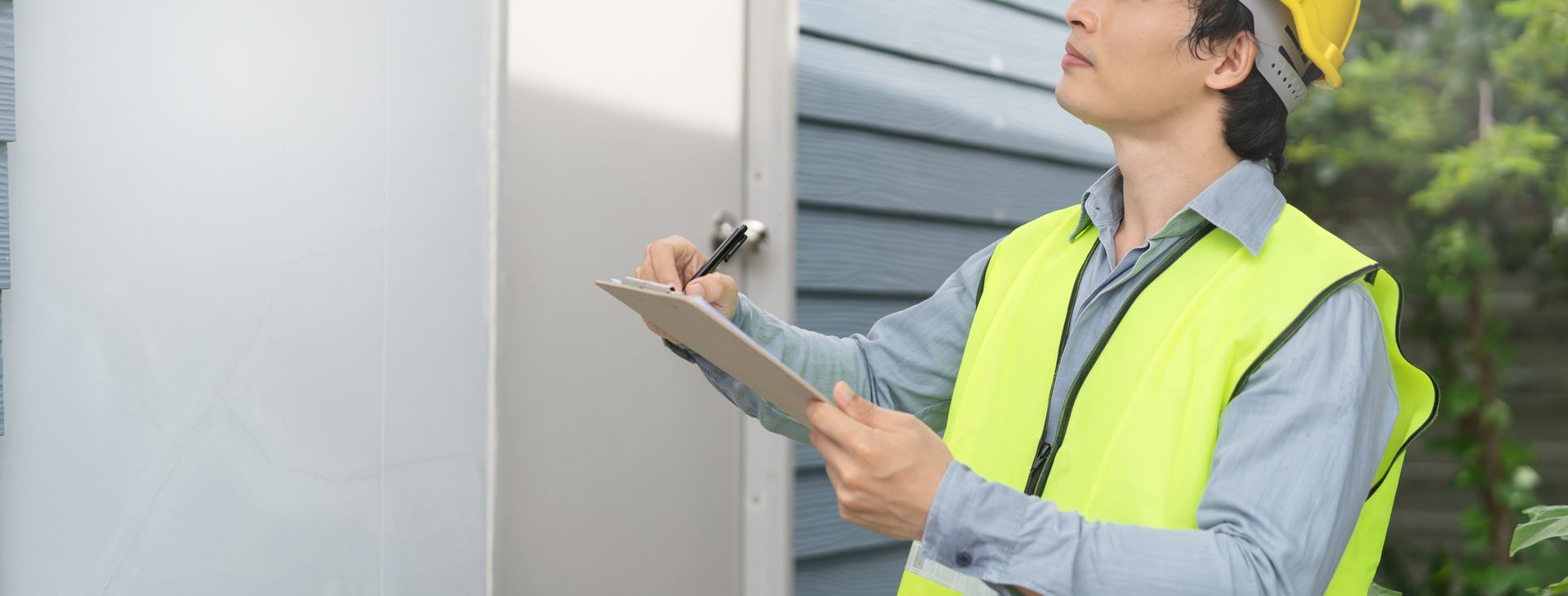
A red flag in the roofing process is a contractor who gives a quote from their truck or solely via satellite imagery without ever stepping onto the roof or into the attic. A professional diagnostic inspection should include:
- Attic Ventilation Check: A roof is a system. If your attic isn't breathing properly, your new shingles will "bake" from the inside out, voiding your warranty and skyrocketing your energy bills.
- Flashing Inspection: Most leaks don't happen in the field of the shingle; they happen at the transitions: chimneys, valleys, and vents. A quality roofer will focus heavily on how these areas will be waterproofed.
- Decking Integrity: They should check for soft spots or sagging that indicate wood rot. Replacing shingles over rotted plywood is a recipe for disaster.
Cost Considerations and "The Cheap Bid" Trap
Price is always a factor, but in roofing, the cheapest bid is frequently the most expensive in the long run. When comparing quotes, ensure you are looking at an "apples-to-apples" comparison. A cut-rate bid often masks the absence of high-quality underlayment, the reuse of old, rusty flashing, or the lack of a proper debris removal plan. Ensure your quote includes the cost of the permit, the specific brand of shingles, and a clear explanation of the labor warranty versus the manufacturer's warranty.
Conclusion
Your roof is an investment in your home’s equity and your family’s safety. By choosing a contractor who prioritizes education over sales and local expertise over volume, you ensure that your Fayetteville home remains protected for decades to come.
If you are ready to evaluate the health of your home’s exterior, BTD Roofing offers comprehensive inspections tailored to the unique needs of our community. You can
Learn more about our Residential Roofing Services and how we protect local homes. If you are concerned about recent weather, check our guide on
Storm Damage Repair for Fayetteville residents. Not sure if you need a full replacement? Read our post on
Roof Repair vs. Replacement
to see which path is right for you.
Contact BTD Roofing today for a professional consultation.
Quick Answers for Fayetteville Homeowners (FAQ)