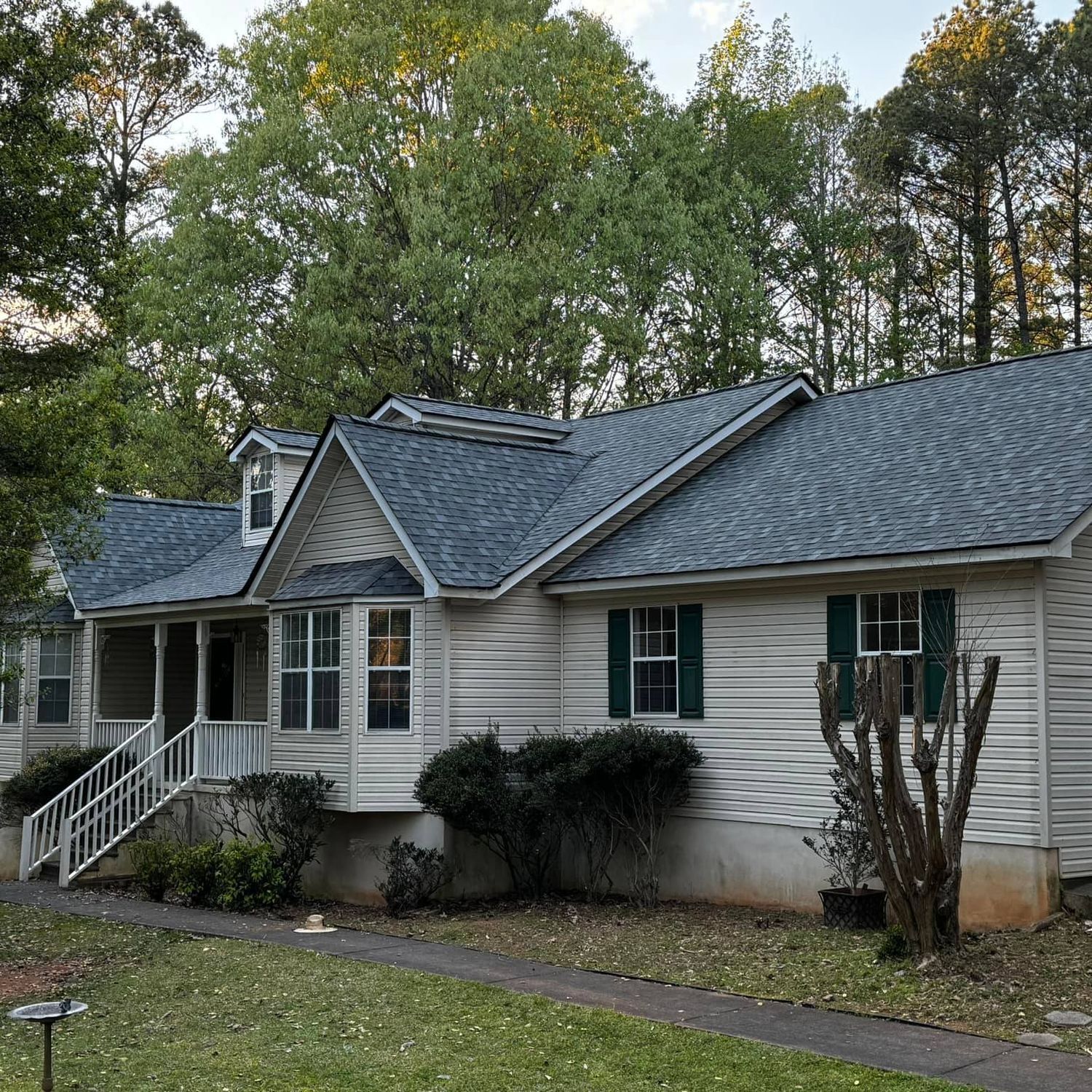
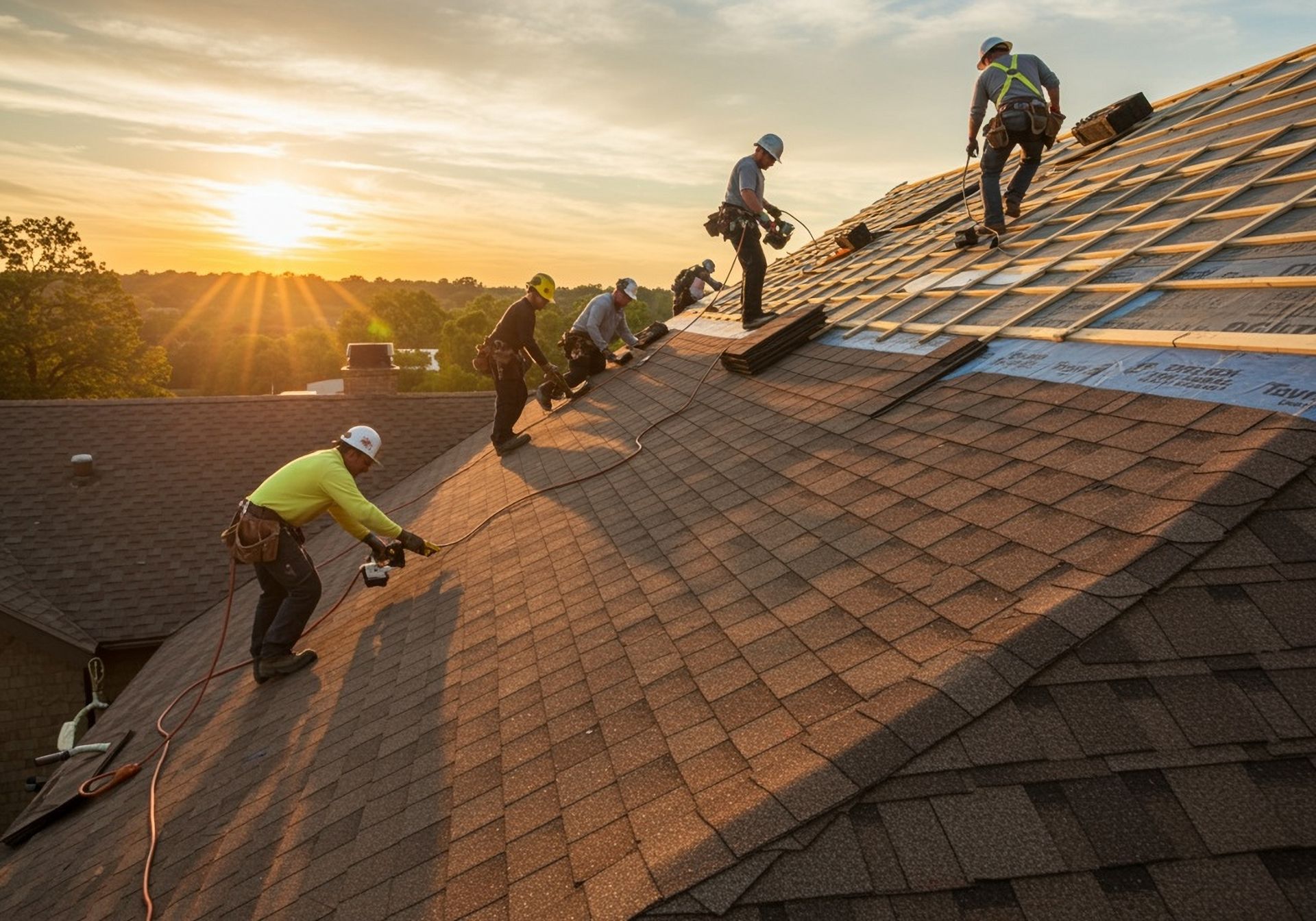
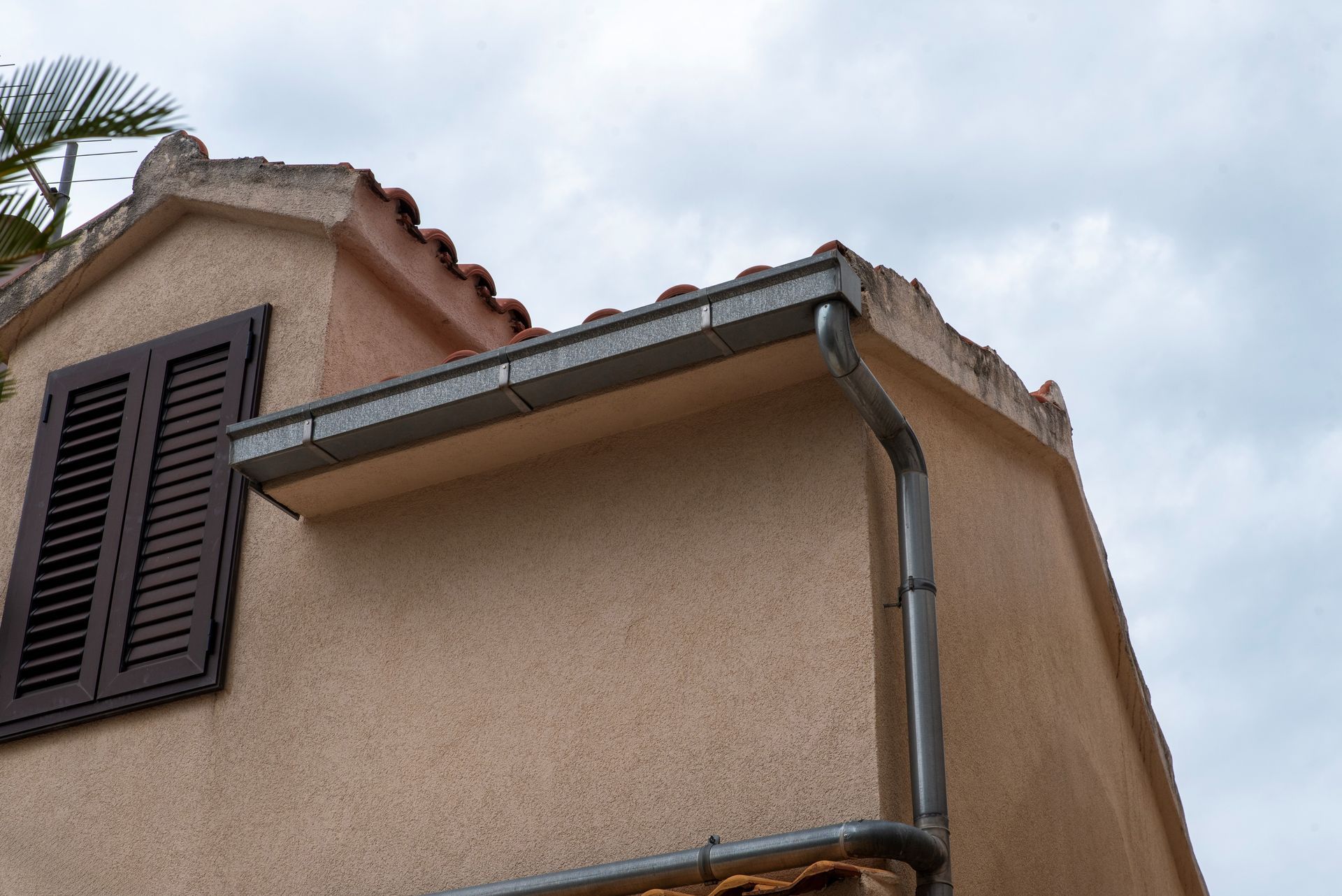
For many homeowners in Fayetteville, GA, a severe thunderstorm is more than just a noise nuisance; it is a structural stress test for your entire home. While most people immediately look up at their shingles after a heavy downpour, the most critical damage often hides in plain sight along the roofline. If you’ve noticed your gutters pulling away from the fascia or dipping in the center after a recent wave of Georgia weather, you aren't just looking at a cosmetic flaw; you are looking at a ticking clock.
Gutters are the circulatory system of your home’s exterior. They are designed to manage the massive volume of water that rolls off a standard roof, directing it safely away from your siding, windows, and, most importantly, your foundation. When a storm compromises this system, the very next rainfall could lead to thousands of dollars in avoidable water damage. Understanding why gutters sag and why Fayetteville residents must act quickly is the first step in preserving your home’s long-term health.
The "Georgia Weight" Problem: Why Storms Cause Sagging
In our region, storms aren't just about water; they often involve high winds and heavy debris. Fayetteville is known for its beautiful, mature tree canopy: oaks, pines, and maples that provide wonderful shade but also drop significant organic matter.
During a storm, several factors converge to cause gutter sag:
- Debris Clogging: Wind-blown leaves and pine needles act as a dam. When five inches of rain fall in a single afternoon, that water has nowhere to go.
- Water Weight: Water is incredibly heavy. A single gallon of water weighs about 8.3 pounds. If a 40-foot stretch of gutter is backed up and full of water, your fascia board is suddenly supporting hundreds of extra pounds it wasn't designed to carry.
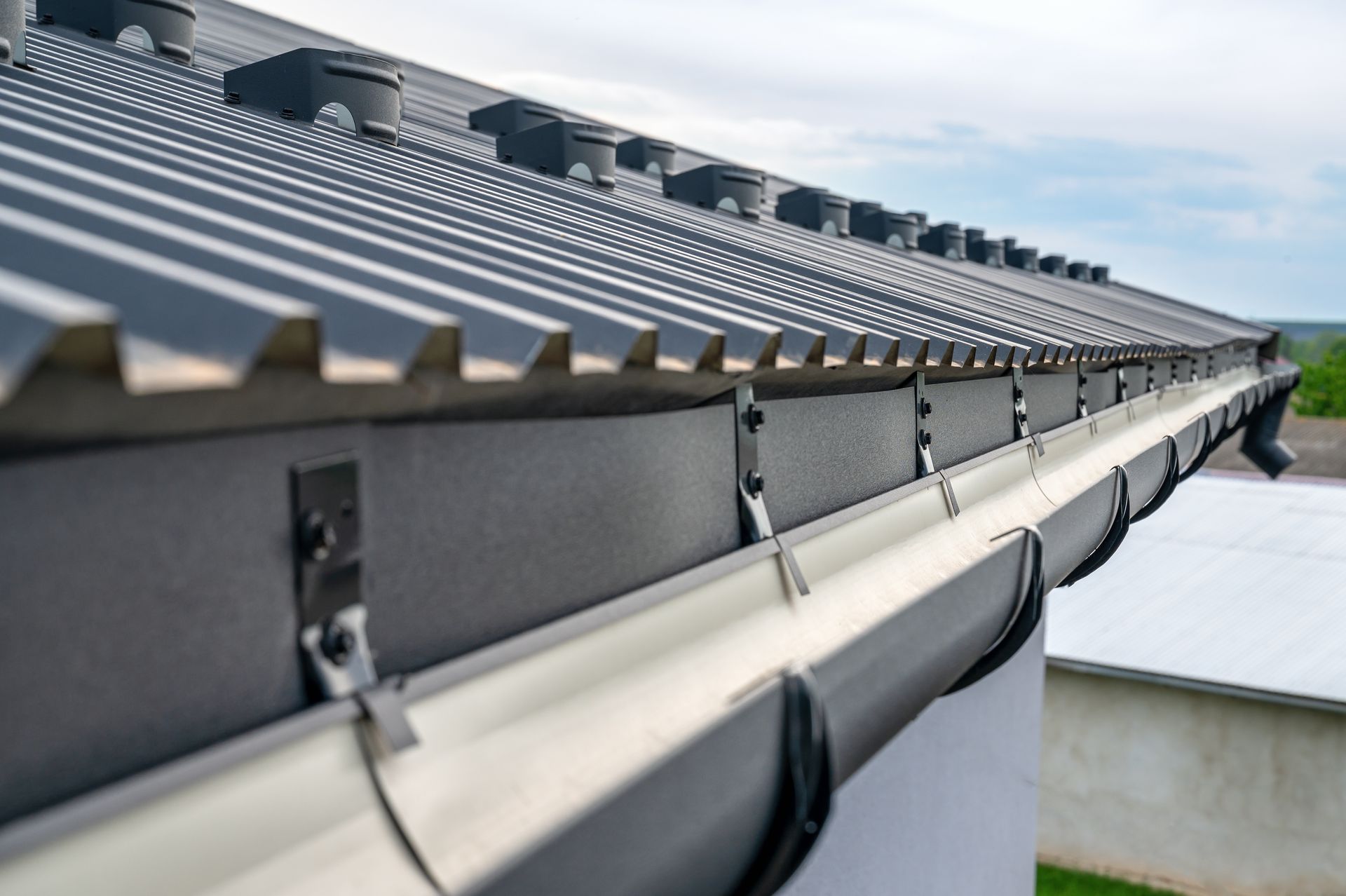
- Hardware Failure: Older gutter systems in many established Fayetteville neighborhoods rely on spike and ferrule hangers. Over time, and especially under the vibration of high winds, these spikes can pull out of the wood, causing the gutter to lean or sag.
The High Cost of Procrastination: What Happens Next?
It is tempting to look at a sagging gutter and think, "I'll get to that next month." However, in the humid Georgia climate, water is a persistent enemy. Once a gutter loses its "pitch," the slight angle required to move water toward the downspout, several destructive processes begin:
Fascia Rot When water sits in a sagging gutter, it constantly splashes against the wooden fascia board. Constant moisture leads to wood rot, which eventually weakens the connection points further, potentially causing the entire gutter length to collapse.
Foundation Erosion Fayetteville homes often sit on red clay or sandy loam. If water spills over the side of a sagging gutter rather than exiting through the downspout, it pools at the base of your house. This can lead to basement leaks, crawlspace mold, and "foundation settling," where the ground literally shifts under the weight of the water.
Landscape Destruction Those expensive flower beds and mulched areas you’ve worked on all spring can be washed away in a single heavy rain if your gutters aren't directing the flow properly.
Diagnostic Check: How to Tell if Your Gutters are Failing
You don't always need a ladder to tell if your system is compromised. After a storm, take a walk around your property and look for these diagnostic red flags:
- The "Gap" Test: Look up at the roofline. Can you see daylight between the back of the gutter and the wood of the house? If so, the hangers have likely failed.
- Standing Water: If it hasn't rained in 24 hours but you still see water sitting in the bottom of the gutter, the pitch is off.
- Soil Pitting: Look at the ground directly beneath your gutters. Are there divots or holes in the dirt? This indicates water is overflowing over the edge rather than flowing through the system.
- Exterior Staining: Green algae or dark streaks on your siding often mean water is leaking from a sagging joint above.
Professional Repairs vs. DIY Quick Fixes
While many homeowners attempt to hammer in a loose gutter spike, this is often a temporary band-aid. Modern gutter technology in 2026 has moved toward hidden screw hangers. These are much more resilient against the expansion and contraction caused by Georgia's temperature swings.
A professional repair service in Fayetteville will not just re-attach the gutter; they will recalculate the pitch. Because many local homes have settled over the decades, the original installation angle may no longer be optimal. A pro will use a level to ensure that every drop of water is fighting gravity effectively toward the downspouts.
Furthermore, they can identify if your gutters are undersized. Standard 5-inch gutters often struggle with the tropical-strength downpours we see in late summer, and an upgrade to 6-inch K-style gutters might be a better long-term solution for your specific roof square footage. Since gutters and roofs work together, you should also
see our Roofing Service for a complete home protection plan.
When to Call a Professional
If your gutters are pulling away from the house, or if you see visible cracks in the gutter seams, it is time to call a specialist. Attempting to repair gutters on a two-story home without the proper safety equipment is a high-risk activity. Additionally, if you notice that your downspouts are clear but water is still overflowing the top, you likely have a pitch issue that requires professional recalibration.
Before the next storm hits, it is also wise to
Learn How to Clean Gutters Safely to prevent debris from causing these weight issues in the first place.
Authority & Trust
At BTD Roofing, we don't just "fix" gutters; we engineer drainage solutions. Our team understands the soil density and weather patterns of Fayetteville, GA, ensuring your home is protected from the ground up. We utilize the highest-grade aluminum and hidden-hanger systems to ensure your
Gutter Installation and Repair Services last for decades, not just until the next storm.
Protect Your Foundation Today If you suspect your gutter system was compromised during recent weather,
Request a free quote from our Fayetteville Team today for an expert diagnostic inspection.
Quick Answers for Fayetteville Homeowners (FAQ)