For many Sandy Springs homeowners, the upper floor of the house often feels like a different climate zone entirely. Whether you own a classic mid-century ranch in North Springs or a stately colonial revival near High Point, an uncomfortable upstairs is rarely just an "old house" quirk: it is a diagnostic signal. In the humid subtropical climate of North Fulton County, your attic is the most overworked part of your home’s structure. When it fails to ventilate or insulate properly, the results are higher energy bills, strained HVAC systems, and potential structural damage.
In this guide, we will walk through the diagnostic process of a professional attic inspection, helping you identify the hidden issues that occur when the space above your head stops protecting your home.
The Diagnostic Goal: Finding the "Why" Behind the Heat
An attic inspection isn't just about looking for leaks; it’s about diagnosing the "stack effect." In Sandy Springs, the combination of high summer temperatures and dense humidity creates a pressure cooker in your attic. If the air in your attic cannot circulate, it pushes heat downward into your living spaces.
The goal of a diagnostic inspection is to determine if your issues stem from inadequate insulation (thermal failure), poor ventilation (airflow failure), or hidden moisture intrusion (structural threat). By identifying the root cause, you can stop treating the symptoms with lower thermostat settings and start fixing the source through professional
Attic Services & Insulation Sandy Springs.
5 Signs Your Sandy Springs Attic Needs an Inspection
If you notice these symptoms, your attic is likely signaling a deeper problem:
- The "Second Floor Swelter": Despite the AC running, the upstairs remains 5 to 10 degrees warmer than the main floor.
- Musty Odors in Hallways: High humidity in the attic can lead to "ghosting" or odors that seep through light fixtures and attic stairs.
- Visible "Dirty" Insulation: If your fiberglass insulation looks dark or grey in specific spots, it’s acting as a filter for air leaks, a sign of poor sealing.
- Erratic Energy Bills: Sudden spikes in Georgia Power bills during July and August often point to an attic that can no longer reject solar heat.
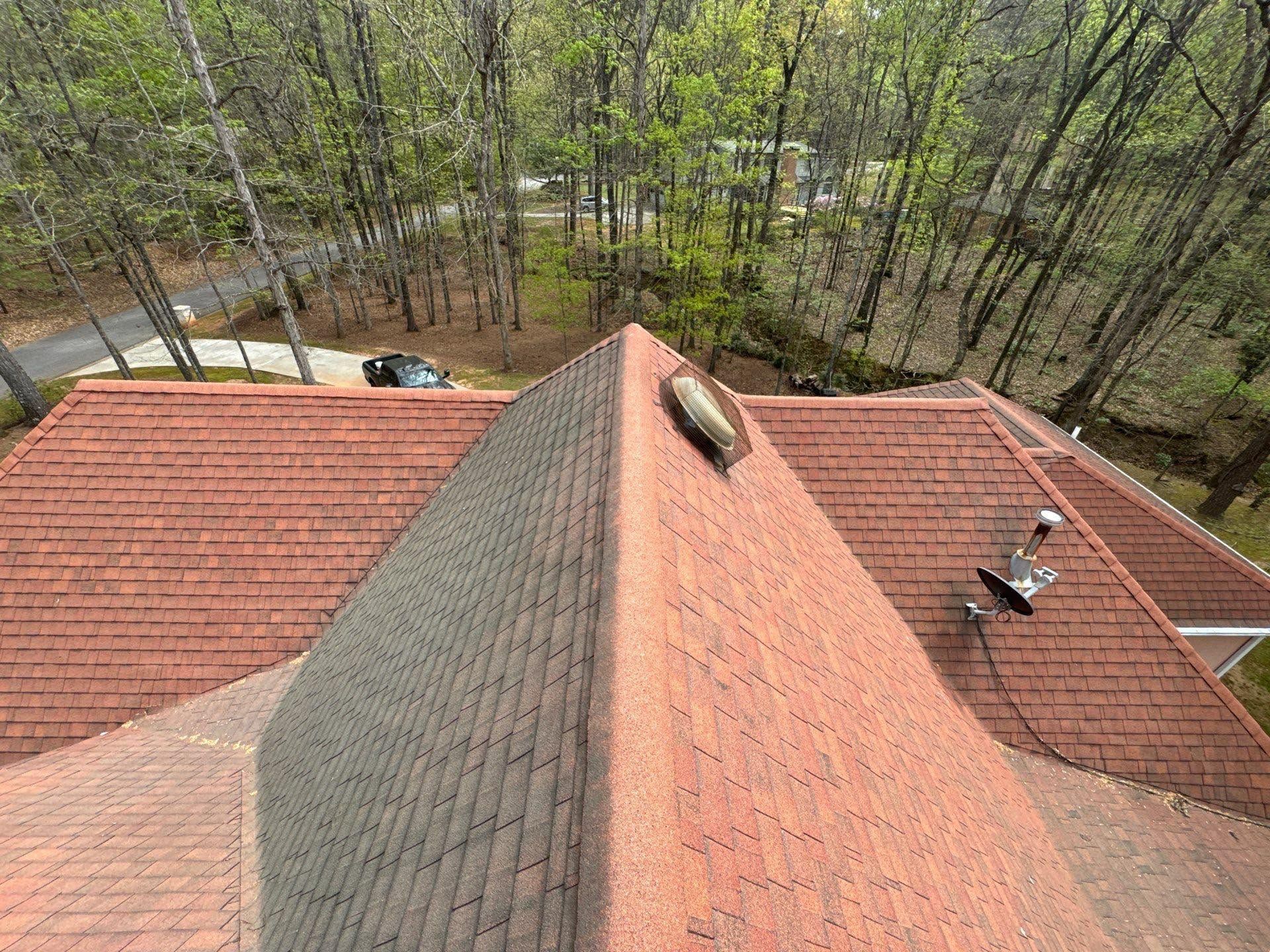
- Recurrent Roof Algae: Dark streaks on the outside of your roof can sometimes be caused by interior attic heat warming the shingles, encouraging organic growth.
Sandy Springs Specific: Architecture and Age
Sandy Springs features a wide variety of housing stock, and each has its own attic "personality."
- 1960s to 1970s Ranches: These homes often have shallow attic pitches and original "rock wool" or thin fiberglass batts that have compressed over 50 years, losing nearly all R-value.
- Modern Traditional Builds: Newer homes often have complex rooflines with multiple peaks and valleys. While beautiful, these create "dead air" pockets in the attic that require specialized ventilation diagnostics to ensure air is actually moving.
- Wooded Lots: Homes under the heavy canopy of Sandy Springs’ famous tree cover often face higher localized humidity and debris buildup in soffit vents, which chokes the attic's ability to breathe.
What We Look For During an Attic Diagnostic
A professional diagnostic inspection covers three critical pillars:
- Insulation Levels: We measure the current R-value. In Georgia (Climate Zone 3), the Department of Energy recommends R-38 to R-60. Most older Sandy Springs homes are sitting at a measly R-19.
- Ventilation Pathways: We check that soffit vents aren't blocked by old insulation and that ridge or gable vents are creating a functional "chimney effect." This often works in tandem with a proper
Roof Replacement and Ventilation
strategy.
- Moisture and Pests: We look for the "hidden" damage, such as mold on rafters or evidence of wildlife (like squirrels or raccoons) that have compressed insulation or chewed through wiring.
Cost Considerations for Attic Upgrades (2026 Data)
While an initial diagnostic inspection is often a low-cost or complimentary service, the solutions found can vary. Air sealing a standard attic typically ranges from
$500 to $1,500, while "topping off" blown-in insulation to reach modern R-60 standards can range from
$1,500 to $3,500 depending on square footage. It is important to note that many Sandy Springs homeowners see a 15 to 20% reduction in cooling costs after correcting attic deficiencies, meaning the diagnostic pays for itself over a few Georgia summers.
When to Call a Professional
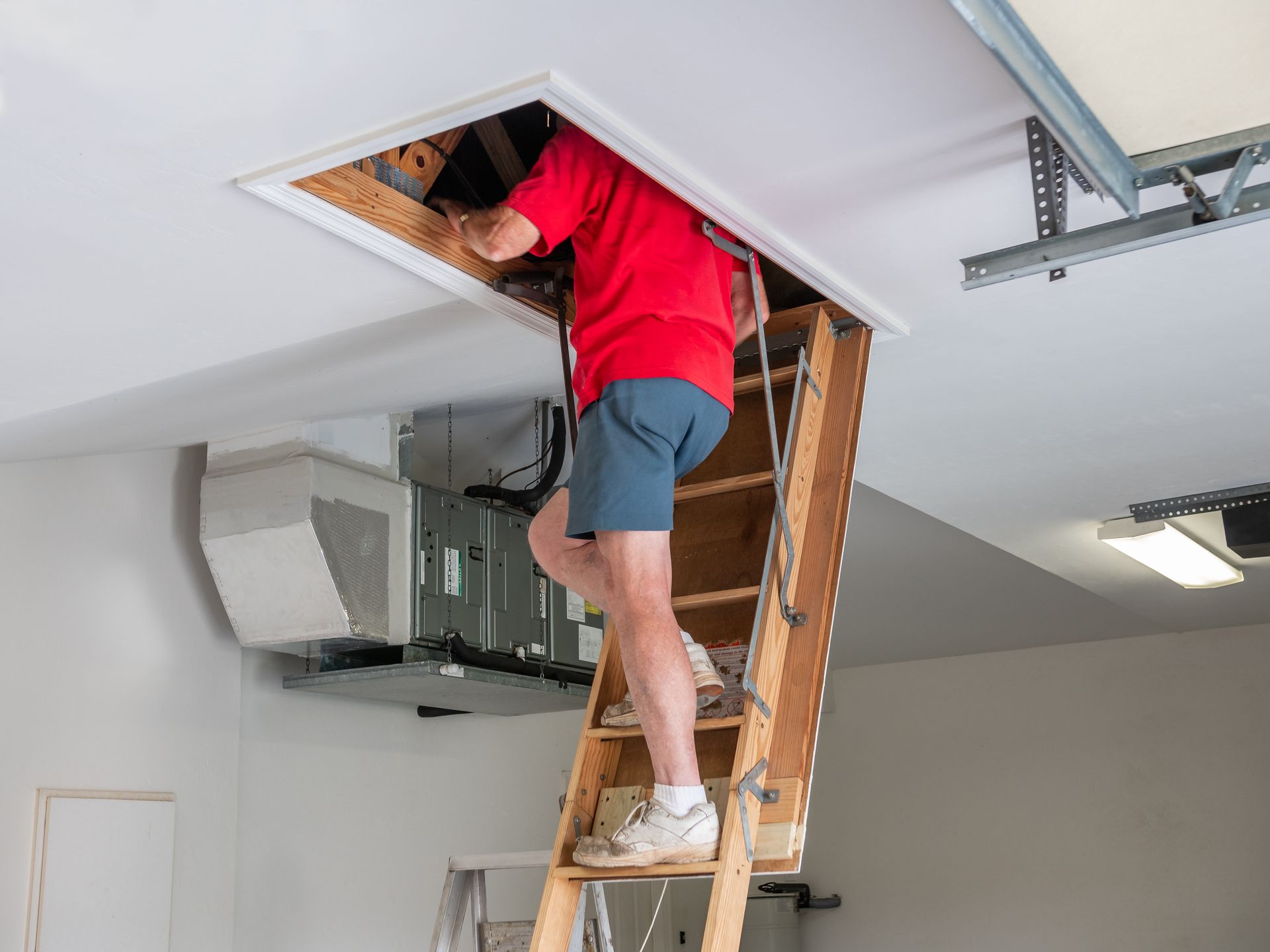
You should never attempt a deep attic inspection yourself if you aren't comfortable navigating ceiling joists. One wrong step can lead to a foot through the drywall ceiling. Additionally, if you suspect mold or find animal droppings, professional PPE is required to avoid respiratory issues.
Call a professional if you see "daylight" where you shouldn't, find damp insulation after a North Georgia thunderstorm, or if you are concerned about
How Poor Attic Ventilation Shortens the Life of Your Roof.
Serving the Sandy Springs Community
Protecting a home in the Perimeter area requires a contractor who understands the specific building codes and weather patterns of North Fulton. At BTD Roofing, we don't just look at the shingles; we look at the entire "attic envelope." Our diagnostic approach ensures that we solve the comfort issues plaguing your home, rather than just offering a temporary fix. We’ve served neighbors from Riverside to Abernathy, ensuring their homes are as efficient as they are beautiful.
Discover the Root Cause of Your Home’s Heat Today Stop guessing why your upstairs is uncomfortable. Our team at BTD Roofing provides comprehensive attic inspections in Sandy Springs to help you save money and improve your home’s comfort. Call us today to schedule your diagnostic assessment and take the first step toward a more efficient home.
FAQ Section: Quick Answers for Sandy Springs Homeowners